livestock mobile 1 DP_3525 - web.jpg

Accelerating Digital Transformation in Agriculture

Author: Sander Janssen

Publish Date: 11 October 2021


Digital technologies have strong potential to support the transformation of agriculture, building a resilient, sustainable and inclusive agrifood system [1].  As key enablers, digital innovations can play a catalytic role – especially in the wake of COVID-19 – by improving the capacity of small-scale producers (SSPs) to adapt to external shocks and increasing productivity and profitability. With more than 33 million smallholder farmers and pastoralists [2] already registered on such platforms, sub-Saharan Africa alone has seen a rapid increase in the adoption of digital solutions, recording an annual growth of 44 per cent over the three-year period ending in 2018. Despite a rapid expansion of the digitalisation for agriculture (D4Ag) sector across low-and-middle income countries, the reach and sustainable use of D4Ag solutions remains fairly low,  especially among SSPs. Only 13 per cent of smallholders in sub-Saharan Africa are registered for any digital service and far fewer are actively using such services [3]. Inadequate access to the Internet and digital services, coupled with issues of affordability, disability and a growing digital divide, are among factors that have widened the disconnect. One of the main barriers holding back investment in D4Ag solutions and their impact at scale is lack of cost-effective ways of comparing and contrasting solutions, and making informed decisions on which ones will really work.


Promoting alliances and investments

Despite a highly complex and fragmented digital sector, there is significant potential for establishing sustainable partnerships and investments. For this reason, there is a growing need for greater coordination of D4Ag solutions and their overarching ecosystem, but how best to achieve this? 

Stewart Collis from the Bill & Melinda Gates Foundation (BMGF), says that Digital Agri Hub (the Hub) can play an important role in driving D4Ag solutions for small-scale producers: “Evidence suggests bundled digital farmer services positively impact small-scale producers’ livelihoods by improving access to inputs, information on managing crops and livestock, obtaining climate mitigating finance and insurance and accessing markets. Digital Agri Hub will collate the essential data necessary to understand which combinations of services are reaching men and women small-scale producers at scale with impact, and act as a guide for investment and adoption of the most impactful digital agriculture products, solutions and services.”

Josh Woodard from The United States Agency for International Development (USAID) adds: "As the number of digital solutions in the agricultural sector continues to grow, the Digital Agri Hub will allow practitioners to make more informed decisions and bring clarity to a fragmented information landscape. We're excited by the potential for greater impact as a result of a more cohesive digital agriculture space."

Convinced of the scope for digital technologies in the agriculture sector, FCDO, BMGF and the United States Agency for International Development (USAID) are co-funding the Hub to monitor and track the development of digital for agriculture solutions, and their impact in helping to achieve a climate-resilient, sustainable and inclusive food system. Responding to the direct needs of the diverse stakeholder groups that play an active role in D4Ag will be an important focus for the Hub. To this end, it has conducted a needs assessment, with the aim of identifying, unpacking and addressing the major needs for each of the different actors on the pathway towards the sustainable growth of the sector. 


The emerging issues 

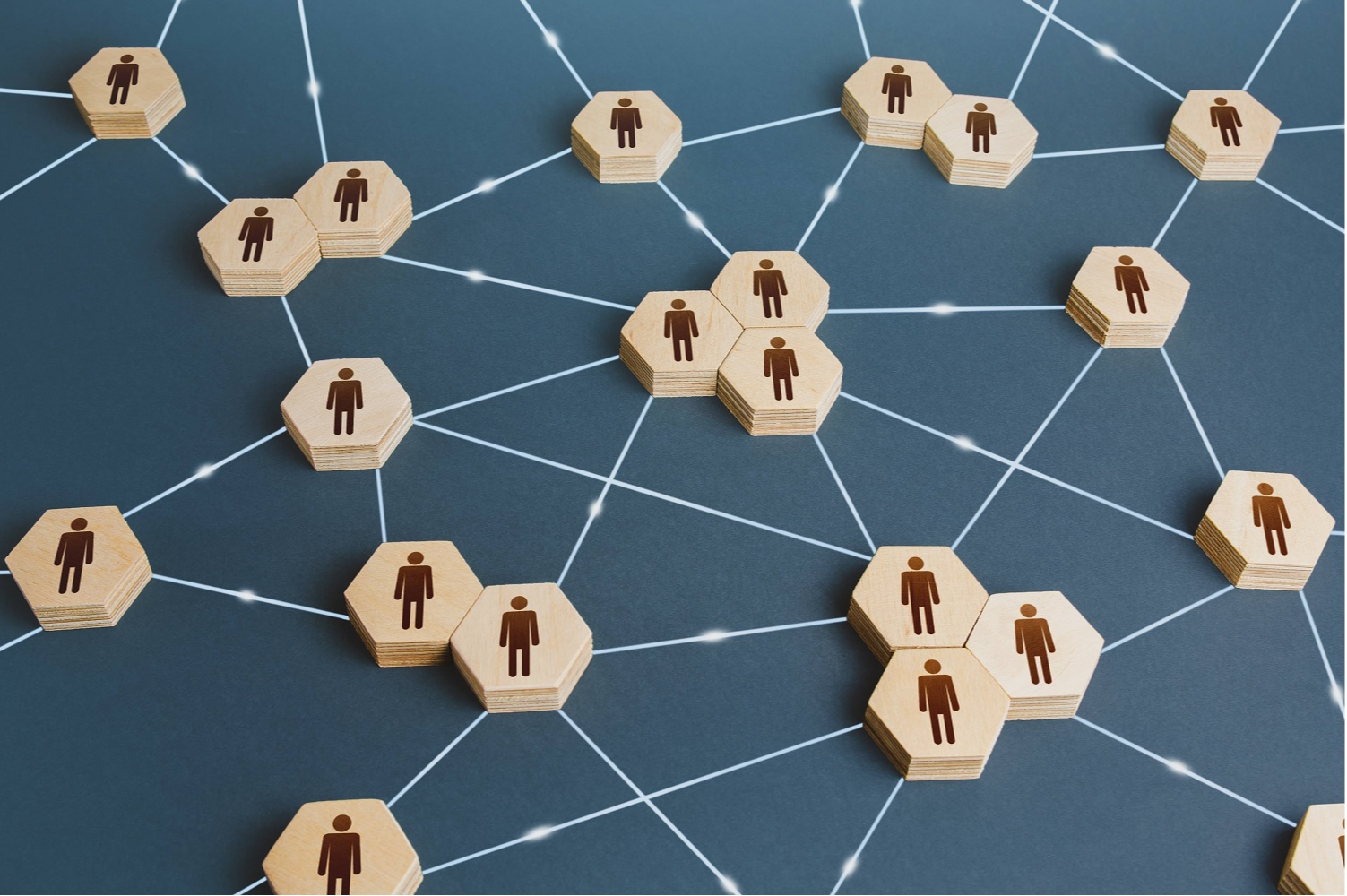
Across the nine identified stakeholder groups, made up of donors, (impact) investors, D4Ag solution providers, agri-food value chain actors, agritech companies, innovation repositories, policy makers and direct implementers (farmers’ organizations and non-governmental organisations), a broad range of issues has emerged. Tomaso Ceccarelli, the lead coordinator on this Ecosystem coordination activity from the Digital Agri Hub team, observes that: “Stakeholders have different perspectives and goals. But there is one trait that unites most of them, and this is the need for a structured overview on initiatives and reliable insights on the impact of D4Ag.” 

Gigi Gatti from Grameen Foundation USA – one of the Digital Agri Hub partners – says that: “It is essential to work with existing D4Ag networks and Communities of Practice to understand how to best connect them to the Hub.”

Responding to these diverse needs is a key success parameter for the Hub, integrating such crucial and different perspectives in its programme of work. Simona Benvenuti from the Netherlands Advisory Board on Impact Investing (NAB) – a Digital Agri Hub partner – experiences that "to accelerate the mobilization of private-sector capital into D4Ag it is critical to provide impact-based data on existing D4Ag solutions and insights to mitigate investment risk, thus facilitating collaboration amongst the different types of capital providers and knowledge exchange globally across the value chain".
 
Daniele Tricarico, from GSMA, also a Digital Agri Hub partner, has closely assessed the development of the D4Ag sector and worked with a number of different solution providers in collaboration with mobile operators.  From his perspective, "it is exciting to see a growing number of D4AG services coming to market, but this fast-paced sector also experiences a high level of fragmentation and many short-lived initiatives. It is therefore crucial to quickly identify emerging best practices and highlight the operational and business models that can support truly sustainable, scalable solutions".

Inclusion for all stands out as a critical prerequisite for the sustainable development of D4Ag. In support, Eunice Likoko, from Wageningen University and Research (WUR), adds that: “For women and marginalised groups, improved access to D4Ag solutions will be stimulated by understanding and addressing the barriers they face in accessing digital solutions. Intervention strategies need to go beyond minimal participation of excluded groups, to adopt more empowering approaches that address underlying barriers to promote sustainable and realistic adoption of digital solutions for these groups’’.  


A hub for inclusive agricultural transformation

To ensure the strong and sustainable growth of the D4Ag sector, a better tracking mechanism will be central to the success of Digital Agri Hub, while supporting the everyday decision-making process of D4Ag actors across the agrifood system. Whether the decision is to partner with another D4Ag solution provider, to invest in a D4Ag solution, to create awareness and stimulate the development of the sector in a particular country, or to invest in digital developments for societal impact, access to insights, data and knowledge is crucial. It is Digital Agri Hub’s firm intention to truly act as a hub, bringing partners together, creating capacity and connecting actors to one another, helping them to share their insights and best practices towards inclusive agricultural transformation.


_________________________________________
[1] World Bank, 2019. Future of Food: Harnessing Digital Technologies to Improve Food System Outcomes (available here).
[2] 13% of all sub-Saharan African smallholders and pastoralists and up to 45% of smallholder households, depending on assumptions used to calculate penetration.
[3] D4Ag solutions refer to the digitally enabled business models and technologies to address farmers and food system actors’ constraints (e.g. around market access, inputs, financing and climate).
The Evolution of the Digital Agri Hub Dashboard (Phase II): Regional Deployments & Emerging Insights

Caption

Author: Inder Kumar

Publish Date: 22 May 2024


The Digital Agriculture (D4Ag) landscape is undergoing rapid developments, generating transformative effects on global development across environmental, social, economic, and food security domains. At the forefront of tracking these developments and assessing the impact created by digital solutions lies the role of Digital Agri Hub. In 2022, the Hub reached a significant milestone, showcasing its dashboard offering transparent insights into D4Ag and digital innovations deployed in low- and middle-income countries (LMICs). This has marked a crucial step in the digitalisation of agriculture, providing a global perspective on digital innovations across various aspects such as production, market access, financial inclusion, and supply chain. Moving into the second phase of its development, the Digital Agri Hub’s dashboard has witnessed a substantial increase, with over 1200 digital solutions by 2024. This growth can be attributed to increased data contributors and the introduction of a new data entry tool for digital solution providers, streamlining the listing of entries on the hub’s dashboard. Consequently, the platform now spotlights curated and verified entries enhancing their visibility and credibility. This article delves into the emergence of digital solutions between 2019 and 2023, shedding light on market reforms, and regional variations, and offering a glimpse into the future trajectory of the D4Ag landscape by 2024.  


Navigating the landscape of growing digital innovations for sustainable growth 


      Figure 1: Growing digital innovations deployed in low and middle-income countries. 

The journey of Digital Agri Hub’s dashboard began in September 2021, building upon the foundation laid by the Digitalisation of African Agriculture Report 2018-2019, published by the Technical Centre for the Agriculture and Rural Cooperation (CTA), which initially documented 320 solutions deployed across the continent. By 2022, as illustrated in Figure 1, the dashboard had grown significantly to 726 active digital solutions deployed across LMICs, offering comprehensive global coverage. These self-reported and collaboratively curated solutions enabled platform users to generate tailored insights for their respective countries, use cases, and digital technologies. However, the ability to generate insights with a multi-country or regional focus was initially limited. Recognising this, the platform underwent significant technical upgrades in 2023, allowing users to select several individually selected countries (FAO SOFA regions) for insights with a broader geographical scope.  

This enhancement revealed dynamic shifts in deployment patterns across regions over the past five years, with Sub-Saharan Africa leading with 414 deployments and Oceania trailing with only 22 deployments (Figure 2). These insights prompt critical questions about the (non)sustainable growth of D4Ag across regions: Is the high deployment rate in Sub-Saharan Africa a result of pioneering studies such as the one done by CTA or of ample financial support from donor organisations? What factors contribute to the relatively lower attractiveness of donor organisations of investing in D4Ag in regions such as Oceania, Northern Africa, and Western and Central Asia? How does the size of the rural population engaged in agriculture impact the attractiveness of investing in D4Ag in such regions, considering the contribution of agriculture to the country’s GDP? Are regional deployment disparities influenced by geopolitical dynamics, language barriers, or time zone differences? And to what extent do climate change and global warming impact the commercial appeal of agriculture investments, particularly in regions with relatively less digital solutions deployed such as Oceania, Northern Africa, and Western and Central Asia? These questions tackle the complex interplay of key factors shaping the D4Ag landscape while highlighting areas for further analysis. 


Figure 2: The sum of digital deployments launched per region in the last 5 years.

Note: The sum of total deployments is independent of the sum of digital solutions as one solution can be deployed in multiple countries. For example, the digital solutions by Cropin are headquartered in India however are deployed in over 56 countries globally. 


Examining trends in solution deployment trends between 2019-2023  

A closer look at the data on solution deployment reveals interesting insights into the evolving D4Ag landscape. The data presents a compelling narrative of decreasing growth in the number of new solutions launched annually within the digital agriculture (D4Ag) sector. In 2019, 146 solutions were introduced, followed by 105 in 2020, 76 in 2021, 60 in 2022, and 15 in 2023. This progression underscores the maturation of the D4Ag sector, spotlighting the growing significance of the Digital Agri Hub. 


   Figure 3: Number of solutions launched between 2019-2023. 

Several factors could contribute to this slowed growth. As the D4Ag sector matures, the imperative for relentless innovation may diminish, with existing solutions evolving to meet market demands. Moreover, the visibility of new solutions plays a pivotal role. Many innovative solutions, while in development, may not immediately reflect in deployment numbers due to the time required to gain recognition and traction.  Furthermore, the sustainability of solutions emerges as a critical factor. Not all innovations prove viable in the long run, facing challenges in establishing sustainable business models or achieving scalability. This reality underscores the importance of not only innovation but also resilience and adaptability within the D4Ag ecosystem. 

In essence, the evolution of solution deployment trends between 2019 and 2023 encapsulates the dynamic interplay between innovation, market dynamics, and sustainability within the digital agriculture sector. It highlights both the progress made and the challenges ahead, inviting stakeholders to navigate the evolving landscape with insight and foresight. 


Analysing trends in phasing out/removing digital solutions launched over the years 

Understanding the trends in the phasing out or withdrawal of digital solutions launched over the years is crucial as we unpack the sector’s evolution. Figure 4 paints a picture of this process, depicting a total of 113 solutions that have been removed or ceased operation since their launch. While this may appear to be a setback, this natural part of the evolution process offers valuable lessons for future developments. The reasons behind the phasing out or removal of digital solutions in the D4Ag sector are diverse and multifaceted. From lack of long-term commercial viability and failure to generate sufficient revenue to sustain their operational costs, leading to being phased out. Another contributing factor is the reliance on term-based donor funding. Many D4Ag digital solution startups depend on donor funding, which may cease once the funding term expires. Without a sustainable business model in place, these solutions may find themselves unable to continue operating. Furthermore, inadequate data and digital infrastructure in certain regions can pose significant challenges to the deployment and operation of digital solutions, prompting their withdrawal. Similarly, the absence of supportive national-level digital policies can hinder their operation and scaling, ultimately leading to their removal from the market. 

In addition, the highly competitive nature of the D4Ag sector means that newer and more efficient solutions are constantly emerging. Solutions that fail to keep pace with this competition may find themselves phased out in favour of more innovative alternatives. Moreover, evolving market needs over time can render certain solutions obsolete if these fail to adapt accordingly. As the landscape shifts and demands change, solutions must evolve or risk becoming irrelevant. 


  Figure 4: Total number of solutions removed (a reference to their year of launch) from the dashboard of      Digital Agri Hub 

Furthermore, the analysis of solution deployment and phasing out patterns reveals crucial dynamics within the D4Ag sector. Reading between the lines from Figure 3 and Figure 4, it is clearer that the number of new solutions launched annually has shown both an initial steady and more recently a withering growth, and the withdrawal of solutions from the market offers valuable lessons for future developments. Understanding these trends not only sheds light on the rapid evolution of D4Ag but also informs strategies for enhancing the sustainability and effectiveness of digital solutions in addressing agricultural challenges worldwide. Moreover, the regional discrepancies in D4Ag deployment and phasing out across different regions can be attributed to several factors. Firstly, digital infrastructure plays a role. Regions with robust digital infrastructure, including internet access, availability of digital devices, and digital literacy, are more likely to have a higher number of D4Ag deployments. Secondly, agricultural practices tend to influence deployment rates. For instance, regions that rely heavily on subsistence farming may have fewer deployments than those with large-scale commercial farming operations. Thirdly, in less-developed regions like Oceania, North Africa, and Western, and Central Asia, the attractiveness of donor organisations to investing in D4Ag depends on factors such as population size, rural engagement in agriculture, and share of the rural population in the country’s GDP. Addressing infrastructure gaps, promoting digital literacy, and tailoring solutions are essential steps to unlock D4Ag’s potential in these regions. Fourthly, government policies and regulations can either facilitate or hinder the deployment of D4Ag solutions. Regions with supportive policies and regulations are likely to have more deployments. Moreover, funding and investment levels can vary across regions. Regions with more funding and investment are likely to have more deployments. Lastly, local needs and challenges drive the number and type of D4Ag deployments. For example, a region facing severe drought conditions might have more deployments related to irrigation and water management. 


Future Outlook 

As we continue to navigate this dynamic sector, the Hub’s dashboard will remain an invaluable tool for D4Ag value chain actors, providing up-to-date data and fostering collaboration, co-development, and learning. The second phase of the Digital Agri Hub dashboard’s development offers exciting new insights into the D4Ag landscape. The Hub’s team currently aims to explore the pivotal role of data infrastructures in catalysing advancements in agriculture, particularly in low- and middle-income countries (LMICs). This thematic and geographic focus unfolds associated challenges, opportunities, and the strategic framework required for the successful implementation of agricultural data infrastructures. Moreover, Digital Agri Hub is actively creating synergies in digitalisation for agriculture through partnerships and collaborations with other influential organisations and initiatives active in the sector.